
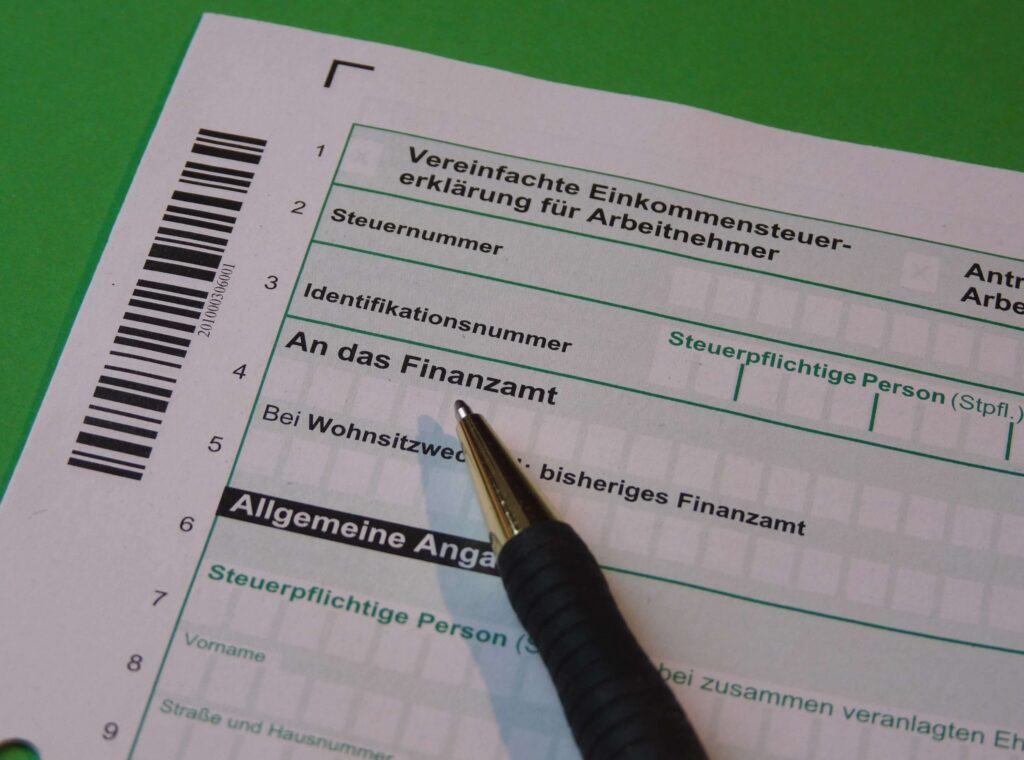
Navigating the German tax system (Steuersystem) is often compared to a marathon through a labyrinth. For many expats, freelancers, and entrepreneurs, the sheer volume of paperwork and the complexity of “Finanzdeutsch” (tax office German) can be paralyzing. However, with over a decade of experience in the German-Korean business landscape, I have seen firsthand how much money is left on the table simply because people are intimidated by the process.
The truth is, the German tax office (Finanzamt) is not your enemy—it is a system of rules. Once you understand those rules, you can turn a stressful obligation into a significant financial windfall. In fact, the average tax refund in Germany is currently over €1,000.
In this comprehensive guide, we will break down every single step of the process, from the first receipt to the final tax assessment (Steuerbescheid), ensuring you don’t leave a single Euro behind.
⚡ Quick Summary for Expats (2026)
Short on time? Here is everything you need to know to maximize your German tax refund at a glance.
- 📅 Deadline: July 31, 2026. Get your documents ready
- 💰 Average Refund: Over €1,000. Check job-related deductions
- 🏠 Home Office: Claim up to €1,260. See how it works
- 🛠️ Hidden Savings: 20% of labor costs back. Find hidden gems
- 💻 Submission: ELSTER or English Tax Apps. Compare your options
- 📈 1-Month Rule: Audit your Steuerbescheid. Learn how to audit
Index
- 1. Preparation: Building Your Tax Fortress
- 2. Income Categories: Understanding the Basics
- 3. The Power of Werbungskosten (Professional Expenses)
- 4. Home Office and Remote Work Deductions
- 5. Household Services & Utilities (The Hidden Gems)
- 6. Special Expenses & Extraordinary Burdens
- 7. The Submission Process: ELSTER vs. Tax Apps
- 8. The Steuerbescheid: How to Audit Your Own Refund
- 9. Final Tips: Long-term Tax Strategy
1. Preparation: Building Your Tax Fortress

Success in a German tax return is decided before you even open the software. Documentation is the bedrock of your claim. In Germany, the principle of “No receipt, no deduction” generally applies, although digital transformation is slowly changing the landscape.
Essential Documents You Must Gather:
- Tax ID (Steueridentifikationsnummer ): Your unique 11-digit number that stays with you for life.
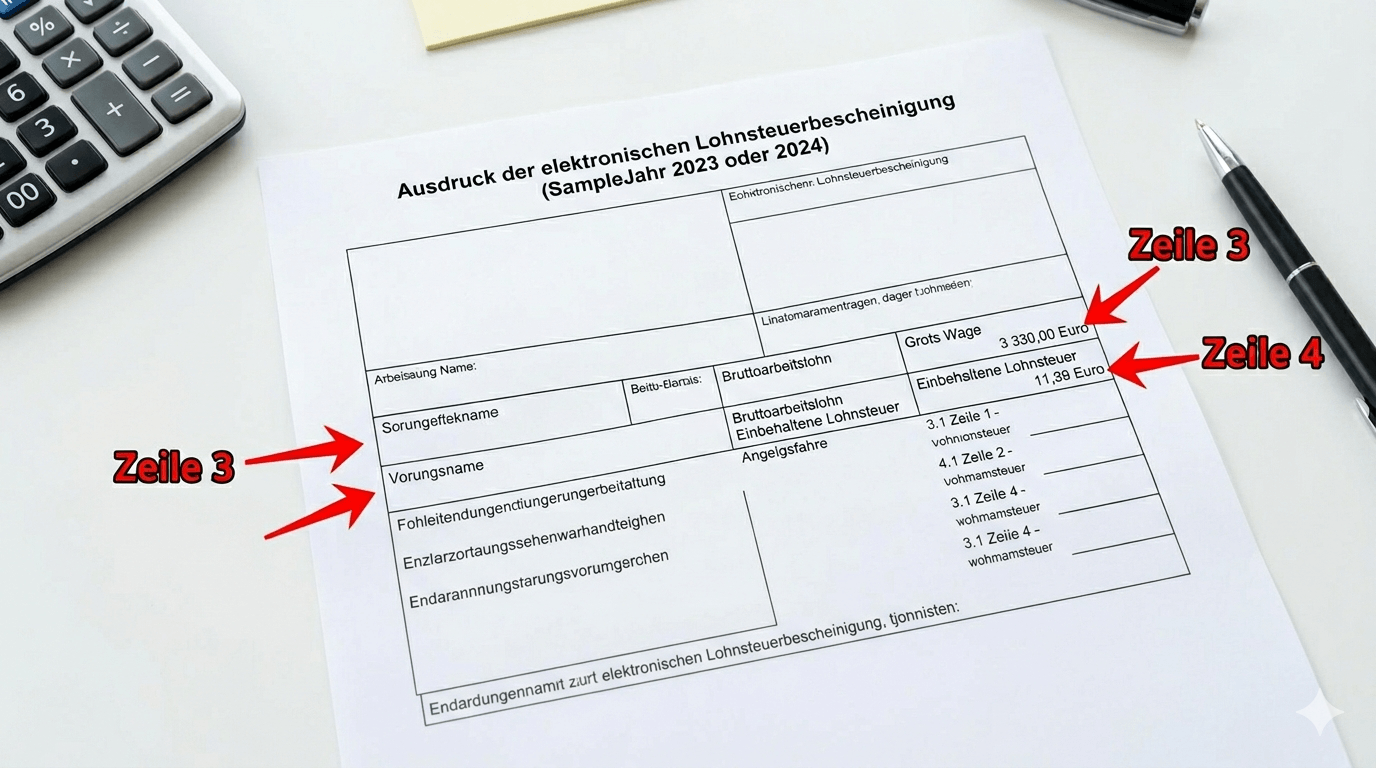
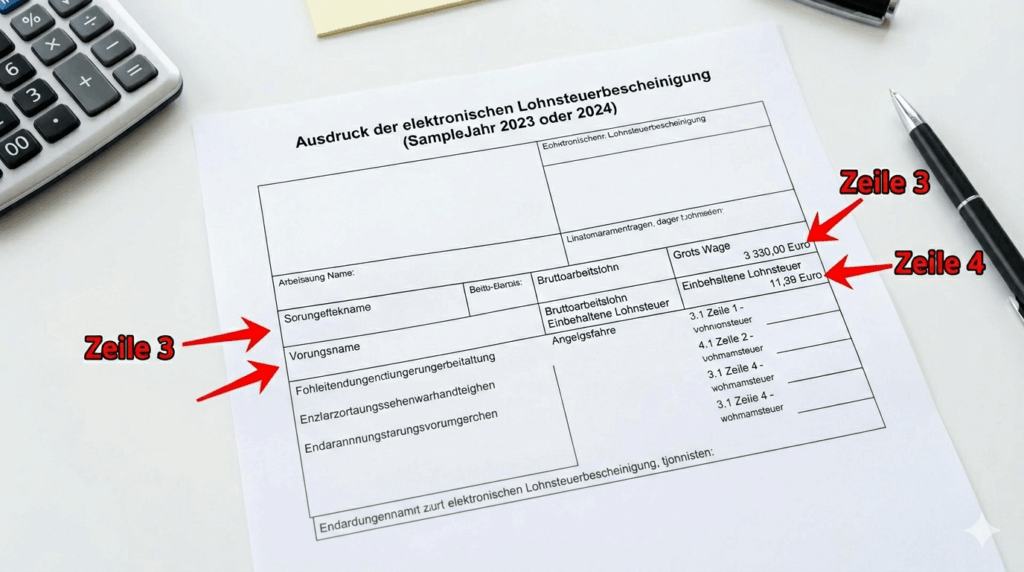
- Wage tax statement (Lohnsteuerbescheinigung): The annual statement from your employer which summarizes your earnings and taxes paid.
- Bank Statements(Kontoauszug): Specifically for insurance premiums, donations, or work-related purchases.
- Previous Tax Assessments (Vorherige Steuerbescheide): If you filed last year, keep your previous Steuerbescheid handy for consistency.
2. Income Categories: Understanding the Basics
Germany classifies income into seven distinct categories. For most expats, the focus is on “Einkünfte aus nichtselbständiger Arbeit” (Income from employment). However, if you have multiple streams of income, you must be precise.
Common Income Streams for Entrepreneurs & Expats:
- Employment Income: This is the most straightforward, as it’s pre-filled if you use modern tax software.
- Capital Gains (Kapitalerträge): If you have stocks, crypto, or high-yield savings accounts.
- Rental Income: If you own property back home or in Germany.
- Foreign Income: Even if taxed abroad, foreign income must be declared under the “Progressionsvorbehalt” rule.
3. The Power of Werbungskosten (Professional Expenses)
This is the most important section for maximizing your refund. Werbungskosten are costs incurred to “acquire, secure, and maintain” your income. If you spent money to do your job better, the government wants to subsidize it.
Deductible Career Costs:
- Commuter Allowance (Pendlerpauschale): You can claim €0.30 for every kilometer of your one-way commute (increasing to €0.38 from the 21st km).
- Work Equipment (Arbeitsmittel): Laptops, monitors, office chairs, and specialized literature.
- Application Costs: Every stamp, folder, and travel expense for an interview is deductible.
4. Home Office and Remote Work Deductions

The world of work has changed. If you don’t have a dedicated “Arbeitszimmer” (separate office room), you can still benefit from the Home Office Pauschale.
How it Works:
As of 2026, you can claim €6 per day for every day you worked exclusively from home, up to a maximum of €1,260 per year.
- The Benefit: You don’t need to prove specific utility costs; the flat rate covers the extra electricity and heating you used while working.
5. Household Services & Utilities (The Hidden Gems)

Many people miss out on hundreds of Euros because they ignore their Nebenkostenabrechnung (utility bill).
Haushaltsnahe Dienstleistungen (Household Services):
You can deduct 20% of the labor costs (not materials) for services performed in your home:
- Cleaning services and window washers.
- Gardening and winter snow removal.
- Chimney sweeps and elevator maintenance.
- Handyman services: Repairs to your dishwasher or fixing a leaky pipe.
6. Special Expenses & Extraordinary Burdens
Life isn’t just about work. The German tax system recognizes that personal hardships should be taken into account.

Sonderausgaben (Special Expenses):
- Insurance: Health and liability insurance (Haftpflichtversicherung) are often deductible.
- Donations: To registered charities or political parties.
Außergewöhnliche Belastungen (Extraordinary Burdens):
- Medical Costs: Laser eye surgery, dental implants, or expensive prescriptions.
- Support for Dependents: Financial support for parents or children living abroad under certain conditions.
7. The Submission Process: ELSTER vs. Tax Apps

The days of paper forms are effectively over. You have two main digital paths:
1. ELSTER (The Official Portal):
- Pros: It’s free and direct.
- Cons: Technical and only in German.
2. Commercial Tax Apps (Taxfix, SteuerGo):
- Pros: They offer English interfaces and suggest deductions you missed.
- Cons: They usually charge a small fee.
8. The Steuerbescheid: How to Audit Your Own Refund
Approximately 6 to 12 weeks after submission, your Steuerbescheid will arrive.
- The One-Month Rule: You have exactly one month from the date of the assessment to file an Einspruch (objection). If you find an error, this is your window to fix it.
9. Final Tips: Long-term Tax Strategy
Filing your taxes shouldn’t be a once-a-year panic. It should be part of your financial health.
- Tax Class Optimization: If married, check if 3/5 or 4/4 makes sense.
- Investment Alignment: Ensure your investments are tax-efficient.
- Professional Consultation: If your income is high, a “Steuerberater” is an asset, not an expense.
Expert Support for Your Success
Lassen Sie Ihr Geld nicht beim Finanzamt liegen!
Having spent over a decade bridging the professional worlds of Germany and Korea, I understand the unique challenges of building a life abroad. My mission is to simplify these complex systems for you.
Did you find this guide helpful? Feel free to reach out for a consultation on how to optimize your operations in Germany.
🔗 Related Articles
[Legal Disclaimer] This article does not constitute legal or tax advice and is for general informational purposes only. For binding advice, please consult a certified Tax Advisor (Steuerberater) or a Legal Aid Society.